Industrial Fire Monitors: Manual and Electric Models for Fixed Firefighting Systems
NONFIR supplies fixed manual and electric remote-controlled fire monitors for industrial fire protection systems. The range includes TFS tiller-controlled, WFS gear-operated, and XFS electric remote-controlled models, with configurations selected according to flow requirements, operating pressure, discharge reach, and installation conditions.
-
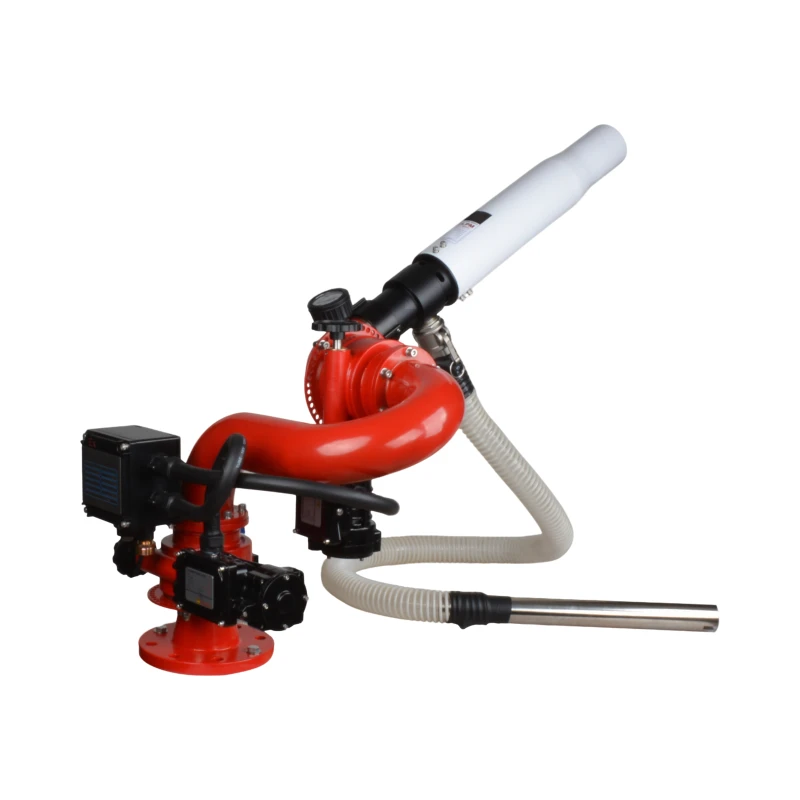
![Electrical Remote Control Water Foam Monitor XFS Series]() Electrical Remote Control Water Foam Monitor XFS SeriesThe XFS Series Electrical Remote Control Water Foam Monitor is mainly applied in oil terminals, petrochemical facilities, tank farms, offshore platforms, and other hazardous industrial areas requiring fixed fire protection...read more
Electrical Remote Control Water Foam Monitor XFS SeriesThe XFS Series Electrical Remote Control Water Foam Monitor is mainly applied in oil terminals, petrochemical facilities, tank farms, offshore platforms, and other hazardous industrial areas requiring fixed fire protection...read more -
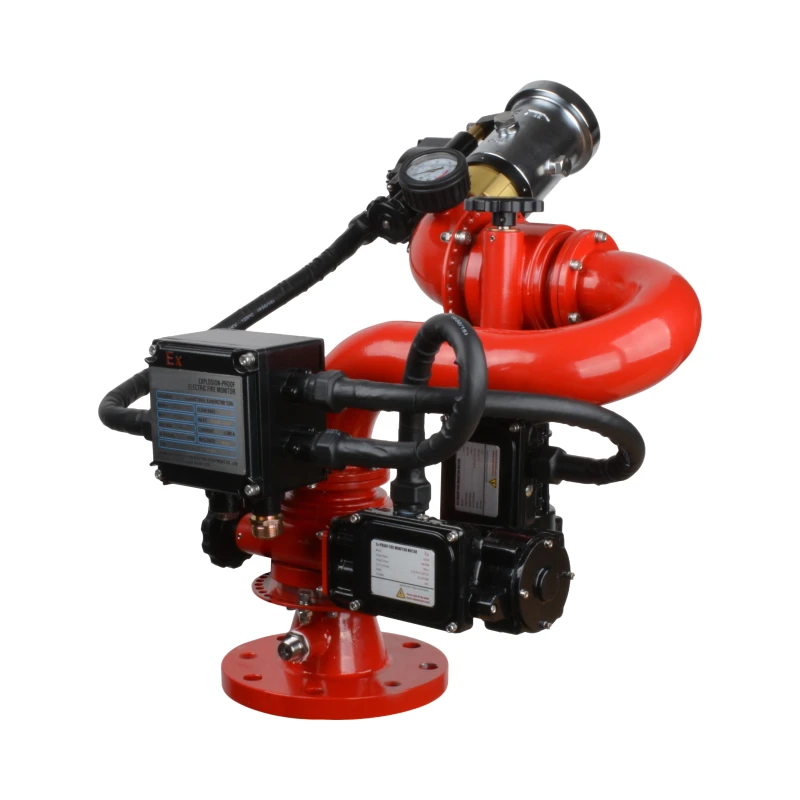
![Explosion-Proof Electric Remote Control Fire Monitor]() Explosion-Proof Electric Remote Control Fire MonitorExplosion-proof electric remote control fire monitor designed for oil terminals, petrochemical facilities, chemical plants and other hazardous areas where fire suppression requires reduced personnel exposure.read more
Explosion-Proof Electric Remote Control Fire MonitorExplosion-proof electric remote control fire monitor designed for oil terminals, petrochemical facilities, chemical plants and other hazardous areas where fire suppression requires reduced personnel exposure.read more -
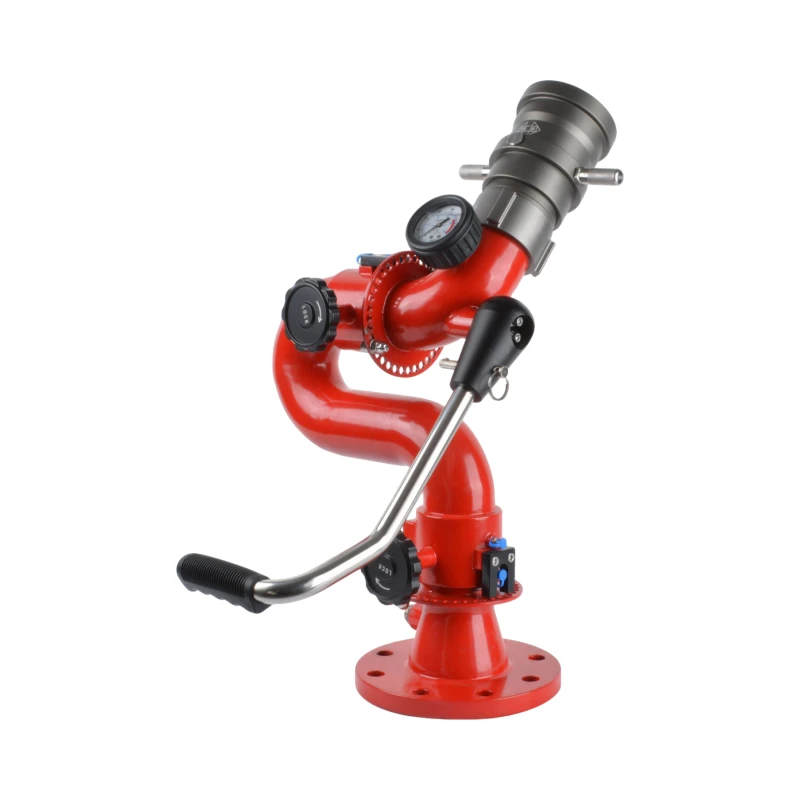
![Manual Water Monitor with Aluminum Alloy Nozzle]() Manual Water Monitor with Aluminum Alloy NozzleThe Manual Water Monitor With Aluminum Alloy Nozzle is a manually operated fire protection device designed to deliver high-volume water streams. It is mainly used in industrial facilities, warehouses, terminals, and other fire...read more
Manual Water Monitor with Aluminum Alloy NozzleThe Manual Water Monitor With Aluminum Alloy Nozzle is a manually operated fire protection device designed to deliver high-volume water streams. It is mainly used in industrial facilities, warehouses, terminals, and other fire...read more


Industrial Fire Monitor Specifications and Performance
NONFIR industrial fire monitors are available in different operating configurations, materials, inlet sizes, and discharge options. Specifications vary by model and configuration.
|
Specification |
Available Options |
|
Operating Types |
Manual and electric remote-controlled |
|
Product Series |
TFS, WFS, XFS |
|
Flow Capacity |
Published range of 1,200–4,800 LPM, depending on model |
|
Reference Operating Pressure |
8 bar for the published TFS2.AZ-1 performance data below |
|
Maximum Published Discharge Reach |
Up to 85 m under the specified TFS2.AZ-1 operating conditions |
|
Body Materials |
SS304 or SS316, depending on model |
|
Inlet Sizes |
2.5, 3, or 4 in, depending on model |
|
Flange Standards |
BS 4504, ANSI 150, or applicable GB standards |
|
Discharge Options |
Straight stream, stream/fog, stacked tips, and specified water-foam configurations |
TFS2.AZ-1 Published Performance
The following performance data are listed for the TFS2.AZ-1 at an operating pressure of 8 bar.
|
Model |
Operating Pressure |
Nozzle Configuration |
Flow Rate |
Discharge Reach |
|
TFS2.AZ-1 |
8 bar |
AZ-1 straight-stream nozzle |
3,000 LPM |
70 m |
|
TFS2.AZ-1 |
8 bar |
AZ-1 straight-stream nozzle |
3,600 LPM |
75 m |
|
TFS2.AZ-1 |
8 bar |
AZ-1 straight-stream nozzle |
4,200 LPM |
80 m |
|
TFS2.AZ-1 |
8 bar |
AZ-1 straight-stream nozzle |
4,800 LPM |
85 m |
Flow rate and discharge reach depend on the specified operating conditions. Confirm the rated performance and applicable nozzle configuration against the manufacturer's technical datasheet before final selection.
Compare Industrial Fire Monitor Series
NONFIR offers TFS, WFS, and XFS industrial fire monitors with different operating methods. Select the series according to operator access, positioning requirements, and project control specifications.
|
Series |
Operating Method |
Selection Consideration |
|
TFS |
Tiller-controlled manual operation |
Consider where direct local positioning is suitable. |
|
WFS |
Gear-operated manual operation |
Consider whether gear-operated manual positioning suits the installation and operating requirements. |
|
XFS |
Electric remote-controlled operation |
Consider remote positioning requirements, power supply, and control interfaces. |
Verify the operating mechanism, available control options, and model-specific configuration before finalizing the series
How to Select an Industrial Fire Monitor
Define Performance Requirements
Determine the required flow rate and discharge reach from the fire protection design. Check these requirements against the available water supply and the selected model's rated performance.
Determine the Operating Method
Choose manual operation for installations suited to local positioning. Consider electric remote control when directional adjustment is required from a separate operating position.
Confirm Medium and Material Compatibility
Specify water or an applicable water-foam configuration. Check material suitability for the site's operating and corrosion conditions.
Verify Installation Compatibility
Check that the selected monitor fits the site's mounting arrangement, piping layout, and maintenance access requirements. Confirm compatibility with the project specifications before finalizing the model.
Industrial Fire Monitor Model Selection Matrix
|
Model Series |
Operating Method |
Flow Range |
Working Pressure |
Maximum Reach |
Inlet Size |
Material Options |
Rotation / Elevation |
|
TFS Series |
Manual tiller operation |
Available configurations according to model |
According to model datasheet |
Up to 85 m (published TFS2.AZ-1 data) |
2.5", 3", 4" |
SS304 / SS316 |
Model dependent |
|
WFS Series |
Manual gear operation |
Available configurations according to model |
According to model datasheet |
Model dependent |
2.5", 3", 4" |
SS304 / SS316 |
Model dependent |
|
XFS Series |
Electric remote-controlled operation |
Available configurations according to model |
According to model datasheet |
Model dependent |
2.5", 3", 4" |
SS304 / SS316 |
Model dependent |
Oil and Gas, Tank Farms, and Loading Areas
Evaluate required flow and discharge reach against tank layout, loading positions, potential fire exposure, and available monitor locations. Confirm that the selected configuration meets the project coverage requirements.
Petrochemical Plants and Refineries
Consider process-area hazards, required discharge coverage, material compatibility, and access for operation and maintenance. Verify that the selected monitor integrates with the site's fire protection system.
Marine and Offshore Installations
Assess saltwater exposure, mounting constraints, available space, maintenance access, and applicable marine project requirements. Confirm material suitability and connection compatibility before specifying the monitor.
General Industrial Facilities
Select manual or electric remote-controlled operation according to monitor location, operator access, and the need for directional adjustment from a separate operating position.
Industrial Fire Monitor Manufacturer
Founded in 2025, NONFIR supplies fire protection equipment for industrial and commercial applications. The company reports over 115 employees and annual sales of approximately RMB 301.26 million across its business.
Technical documentation and model-specific product information are available to support product evaluation and project review. Buyers can request applicable datasheets, performance data, installation instructions, and certification documents to verify product suitability against project requirements.
NONFIR product pages describe the following checks for applicable fire monitor models:
Material Inspection: Incoming materials and components are checked against specified requirements.
Hydrostatic Testing: Applicable models undergo pressure testing at rated working pressure to check for leakage and structural integrity.
Discharge Performance Testing: Flow rate, discharge reach, and spray pattern are checked under specified operating conditions.
Actuator and Control Testing: Applicable electric models undergo actuator and control-function checks.
Foam Discharge Testing: Applicable foam monitors are tested for foam proportioning, aeration, and discharge reach.
Explosion-Proof Checks: Applicable electric models undergo checks of explosion-proof components and relevant certification.
Inspection procedures vary by model and configuration. Request the applicable test records and certification documents before procurement approval.
Technical Documentation
Request the following documents as applicable to the selected model and project requirements:
Product Datasheet: Rated flow, operating pressure, discharge reach, materials, connections, and nozzle configuration.
· Installation Instructions: Mounting, inlet connections, clearances, and maintenance requirements.
· Material Records: Specified material grades and available traceability records.
· Test Reports: Applicable pressure-test and discharge-performance results.
· Electrical Documents: Power supply, wiring, and control specifications for electric models.
· Certification Documents: Certificates applicable to the selected model and required hazardous-area classification.
Request documents that identify the applicable model, configuration, test conditions, and certification scope, where relevant.
Frequently Asked Questions
As one of the most professional fire monitor manufacturers and suppliers in China, we have world-leading production equipment and strong manufacturing capabilities. Please feel free to buy advanced fire monitor at competitive price from our factory.
-
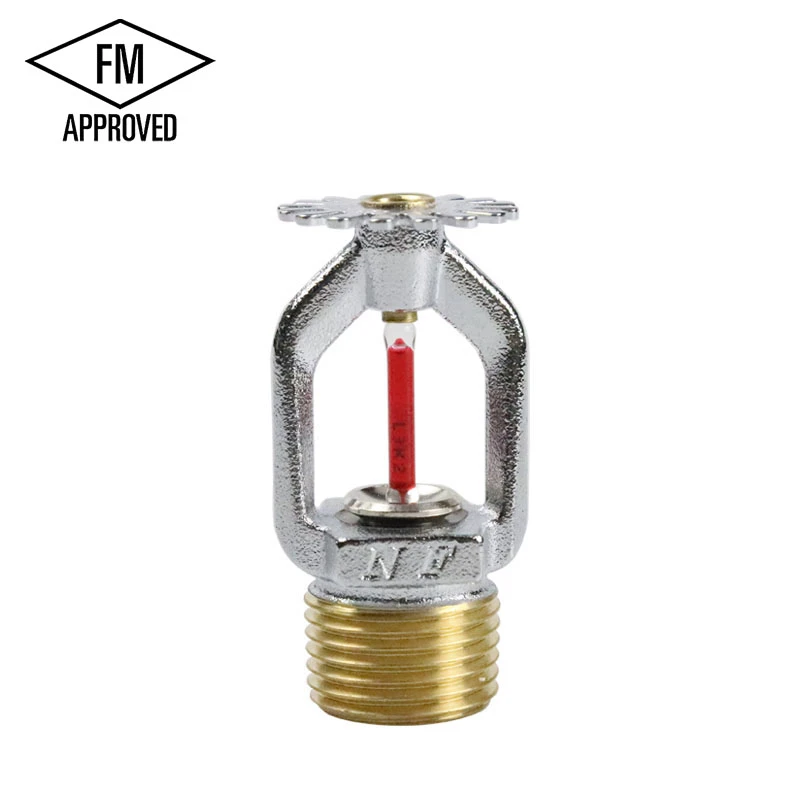
![FM Approved Quick Response Pendent Fire Sprinkler]() FM Approved Quick Response Pendent Fire SprinklerThis quick response pendent sprinkler is manufactured according to FM approval requirements and intended for use in...read more
FM Approved Quick Response Pendent Fire SprinklerThis quick response pendent sprinkler is manufactured according to FM approval requirements and intended for use in...read more -
![Electrical Remote Control Water Foam Monitor XFS Series]() Electrical Remote Control Water Foam Monitor XFS SeriesThe XFS Series Electrical Remote Control Water Foam Monitor is mainly applied in oil terminals, petrochemical...read more
Electrical Remote Control Water Foam Monitor XFS SeriesThe XFS Series Electrical Remote Control Water Foam Monitor is mainly applied in oil terminals, petrochemical...read more -
![Explosion-Proof Electric Remote Control Fire Monitor]() Explosion-Proof Electric Remote Control Fire MonitorExplosion-proof electric remote control fire monitor designed for oil terminals, petrochemical facilities, chemical...read more
Explosion-Proof Electric Remote Control Fire MonitorExplosion-proof electric remote control fire monitor designed for oil terminals, petrochemical facilities, chemical...read more -
![Manual Water Monitor with Aluminum Alloy Nozzle]() Manual Water Monitor with Aluminum Alloy NozzleThe Manual Water Monitor With Aluminum Alloy Nozzle is a manually operated fire protection device designed to...read more
Manual Water Monitor with Aluminum Alloy NozzleThe Manual Water Monitor With Aluminum Alloy Nozzle is a manually operated fire protection device designed to...read more -
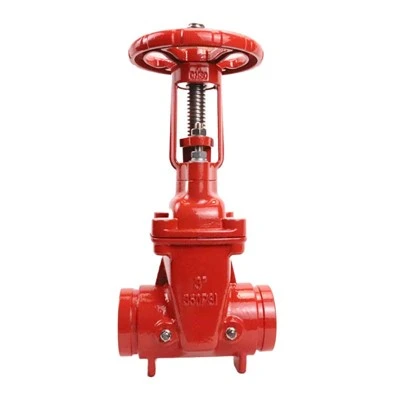
![Grooved OS&Y Gate Valve for Fire Protection Systems]() Grooved OS&Y Gate Valve for Fire Protection SystemsNONFIR Grooved OS&Y Gate Valve is a rising stem gate valve manufactured for fire protection piping systems,...read more
Grooved OS&Y Gate Valve for Fire Protection SystemsNONFIR Grooved OS&Y Gate Valve is a rising stem gate valve manufactured for fire protection piping systems,...read more -
![NONFIR FM Approved Sprinkler Head K5.6 68°C]() NONFIR FM Approved Sprinkler Head K5.6 68°CNONFIR FM Approved Sprinkler Head K5.6 68°C is a standard response fire sprinkler designed for commercial,...read more
NONFIR FM Approved Sprinkler Head K5.6 68°CNONFIR FM Approved Sprinkler Head K5.6 68°C is a standard response fire sprinkler designed for commercial,...read more