

NONFIR provides OEM and ODM support for fire sprinklers, gate valves and related fire protection products according to the product's manufacturing and certification requirements.
OEM Development Process
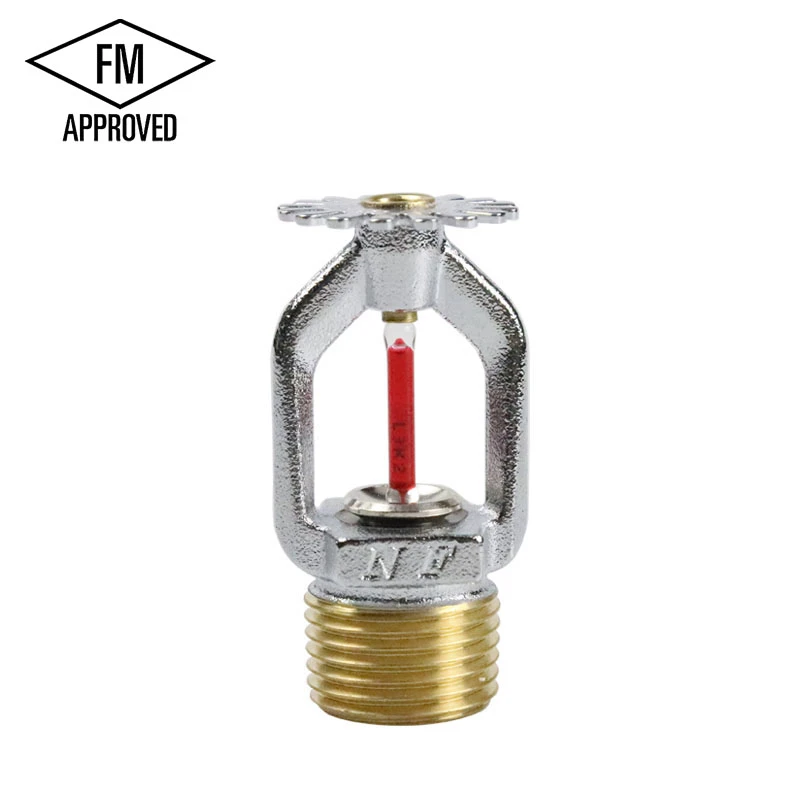
Depending on the available product platform, customers may specify:
- Pendent configuration
- Upright configuration
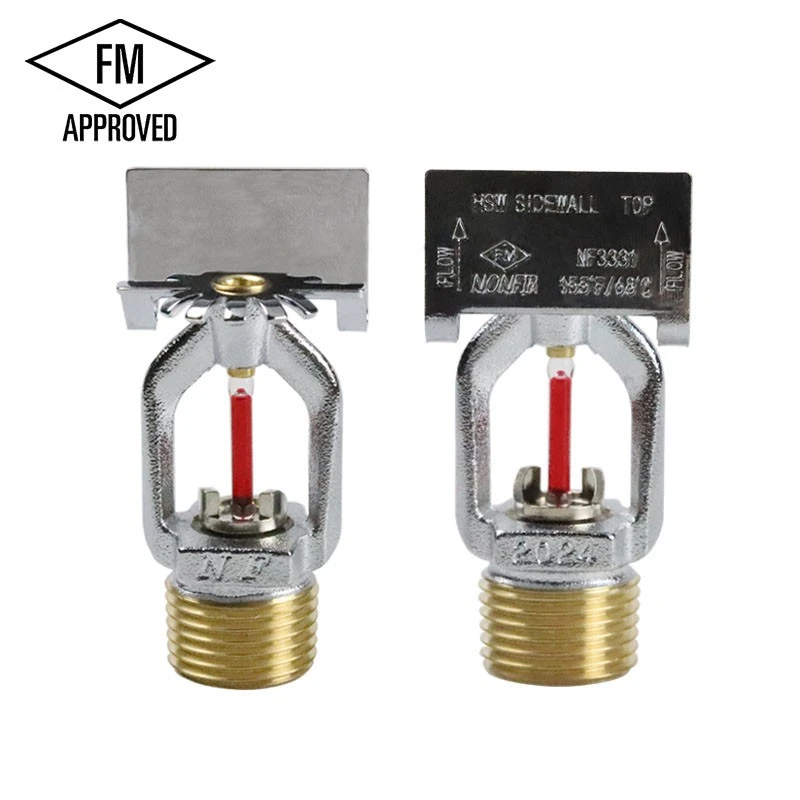
- Sidewall configuration
- K-factor
- Nominal size
- Temperature rating
- Connection/thread specification
- Deflector configuration
- Finish
Product Marking and Branding
For OEM orders, customers may discuss:
Brand name
Logo
Product identification
Marking requirements
Label information
Batch or production identification where applicable
Packaging Customization
Available packaging discussions may include:
Individual Packaging
Product-level packaging suitable for warehouse handling and distribution.
01
Inner Packaging
Multiple individual units can be grouped according to the customer's distribution requirements.
02
Carton Packaging
Customers can discuss carton quantity, labeling and shipping marks.
03
Palletization
For larger export orders, pallet requirements can be discussed according to transportation and warehouse needs.
04
Private-Label Packaging
Where applicable, customers can provide their own brand artwork and packaging information for review.
05
Product Labels
OEM customers may require specific information on product or carton labels, such as:
For customers with an established product range, NONFIR can review customer specifications relating to:
- Dimensions
- Connection requirements
- Product configuration
- Materials where applicable
- Surface finish
- Marking
- Packaging
Customers can submit drawings, technical specifications or existing product samples for evaluation.

Depending on the product and order requirements, customers can discuss documentation such as:
- Product datasheets
- Technical drawings
- Packing lists
- Inspection documents
- Certification-related documentation
- Product identification information
- Shipping documents
If documents need to carry the customer's brand or product code, this should be agreed before production.
ODM: Developing a Product From Requirements
A typical ODM discussion may involve:
Requirement Definition
The customer provides the intended application and technical requirements.
Product Review
NONFIR evaluates the requested configuration against available manufacturing capabilities.
Technical Development
The product specification, component configuration and manufacturing requirements are discussed.
Prototype / Sample
Where appropriate, a sample can be developed or prepared for customer review.
Testing
Applicable product testing is considered according to the product specification and certification requirements.
Production Confirmation
Once the specification is agreed, production requirements can be established for the order.
OEM Development Process
Provide as much information as possible:
Product type
Product model
Drawing
Reference sample
Size
K-factor
Temperature rating
Connection
Certification requirement
Quantity
Destination market
Packaging requirement
Target delivery date
NONFIR reviews the requested configuration and identifies:
Available product platform
Manufacturing feasibility
Required components
Production requirements
Certification considerations
Packaging requirements
After the technical requirements are confirmed, the product specification, quantity, packaging and commercial conditions can be established.
Where a sample is required, the product configuration can be reviewed before mass production.
This stage is particularly useful for:
New OEM brands
Customized markings
Customized packaging
Modified product configurations
New market requirements
Once the product and order requirements have been confirmed, production proceeds according to the agreed specifications.
Applicable manufacturing inspection and testing requirements are incorporated into the production process.
Before shipment, the products are inspected according to the applicable order requirements.
Packaging is completed according to the agreed configuration, including customer-specific labels and shipping marks where applicable.
The completed order is prepared for international shipment according to the agreed delivery arrangements.