Anti-Explosion Fire Monitor for Hazardous Area Fire Protection
NONFIR Anti-Explosion Fire Monitors are available in fixed electric and water-foam configurations for industrial fire protection projects. Designed for EPC contractors, fire protection companies, distributors, and industrial end users, they support project-specific equipment selection and system configuration.
-
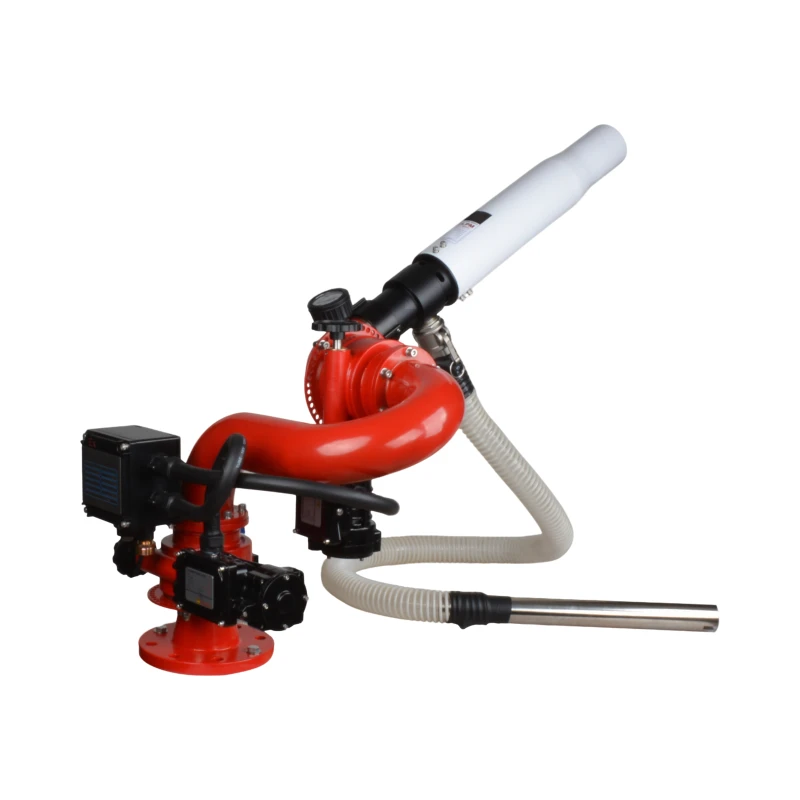
![Electrical Remote Control Water Foam Monitor XFS Series]() Electrical Remote Control Water Foam Monitor XFS SeriesThe XFS Series Electrical Remote Control Water Foam Monitor is mainly applied in oil terminals, petrochemical facilities, tank farms, offshore platforms, and other hazardous industrial areas requiring fixed fire protection...read more
Electrical Remote Control Water Foam Monitor XFS SeriesThe XFS Series Electrical Remote Control Water Foam Monitor is mainly applied in oil terminals, petrochemical facilities, tank farms, offshore platforms, and other hazardous industrial areas requiring fixed fire protection...read more -
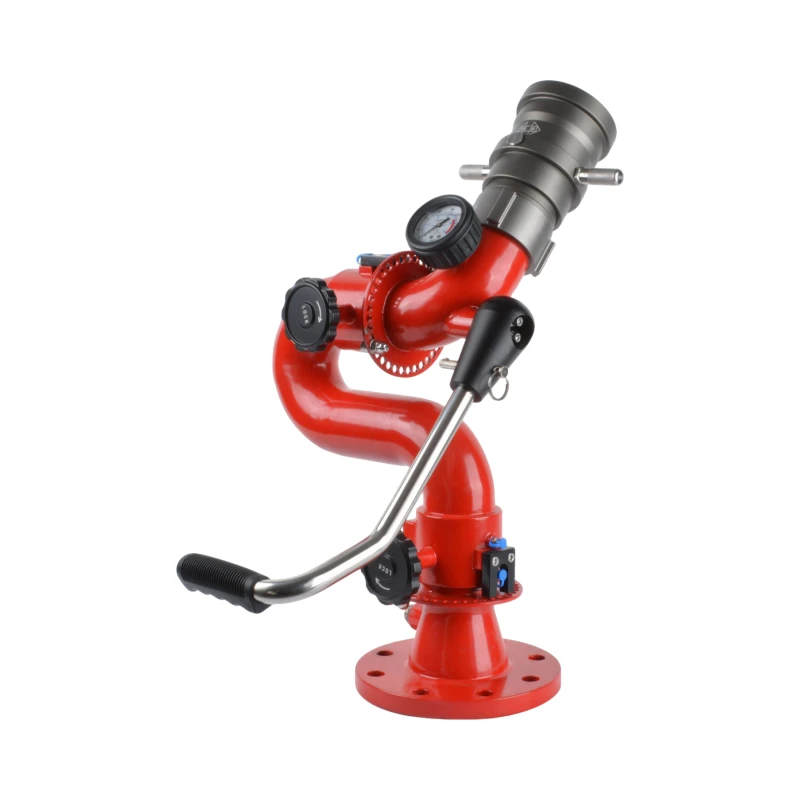
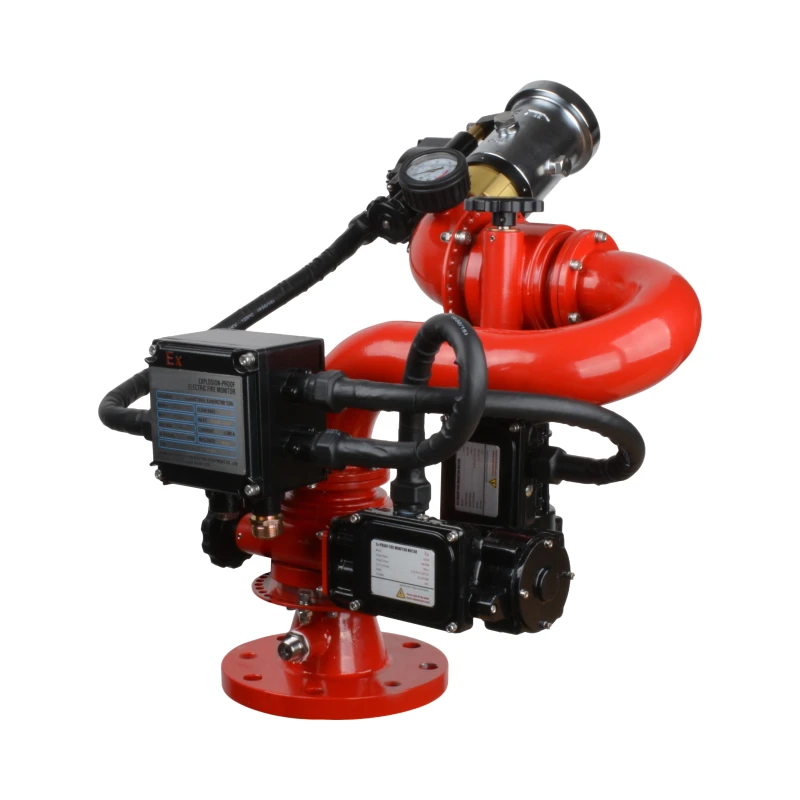
![Explosion-Proof Electric Remote Control Fire Monitor]() Explosion-Proof Electric Remote Control Fire MonitorExplosion-proof electric remote control fire monitor designed for oil terminals, petrochemical facilities, chemical plants and other hazardous areas where fire suppression requires reduced personnel exposure.read more
Explosion-Proof Electric Remote Control Fire MonitorExplosion-proof electric remote control fire monitor designed for oil terminals, petrochemical facilities, chemical plants and other hazardous areas where fire suppression requires reduced personnel exposure.read more


Technical Specifications
|
Parameter |
Specification |
|
Product Name |
Anti-Explosion Fire Monitor |
|
Model Series |
XFS Series |
|
Flow Capacity |
1200–4800 LPM |
|
Working Pressure |
8 bar |
|
Maximum Reach |
Up to 85 m |
|
Discharge Medium |
Water / Foam |
|
Inlet Size |
2.5", 3", 4" |
|
Horizontal Rotation |
340° |
|
Vertical Elevation |
-45° to +85° |
|
Body Material |
SS304 / SS316 |
|
Control Mode |
Wireless / Wired / Manual Override |
|
Power Supply |
AC220V |
|
Motor Actuator |
24V |
|
Flange Standard |
BS4504 / ANSI 150 / GB |
|
Hazardous Area Application |
Zone 1 / Zone 2 |
|
IP Protection |
Available according to actuator/control configuration |
|
Explosion-proof Certification |
Available according to project requirements |
Applications in Hazardous Industrial Facilities
NONFIR Anti-Explosion Fire Monitors are designed for fixed fire protection systems in hazardous industrial environments requiring long-range water or foam discharge.
Oil Storage Terminals
Used for tank cooling, foam suppression, and emergency response in areas with flammable liquid risks.
Petroleum Refineries
Suitable for hazardous processing areas requiring reliable fire coverage and remote operation capability.
Chemical Processing Plants
Applied in chemical facilities where fire protection equipment must meet complex process and environmental conditions.
LNG and Gas Facilities
Designed for hazardous gas facilities requiring effective fire response coverage and system integration.
How to Select the Right Anti-Explosion Fire Monitor
Selecting an Anti-Explosion Fire Monitor requires matching the equipment configuration with the site environment, fire protection objectives, and system requirements.
Hazardous Area Requirements
The installation environment determines whether explosion-proof equipment is required. Project teams should evaluate hazardous area classification, surrounding materials, and operating conditions.
Discharge Performance
Required flow rate and discharge distance should be selected according to the protected area size, fire risk level, and expected coverage range.
Fire Suppression Medium
Water discharge is commonly selected for cooling and general fire protection, while foam discharge is typically used for flammable liquid fire risks.
Installation Conditions
The installation position, environmental exposure, maintenance requirements, and available connection conditions should be considered during product selection.
· Electric Anti-Explosion Fire Monitor
Used in fixed installations where controlled positioning and automated operation are required.
Suitable for hazardous industrial areas where remote positioning is required.
· Water Foam Anti-Explosion Fire Monitor
Supports applications requiring both cooling and foam suppression performance.
Suitable for oil storage, fuel handling, and chemical fire protection.
· High Flow Anti-Explosion Fire Monitor
Developed for large facilities where higher discharge capacity and wider coverage are required.
· Manual Backup Configuration
Provides local operation capability when manual adjustment is required during maintenance or emergency situations.
Three Operation Modes
Remote Operation
Enables operators to adjust monitor direction from a remote position, subject to the selected control system.
Wired Control
Provides wired commands for installations requiring a fixed control connection.
Manual Backup Operation
Allows local manual adjustment when manual operation is required and supported by the configuration
Technical Comparison of Anti-Explosion Fire Monitor Models
|
Model Type |
Flow Capacity |
Typical Application |
|
Standard Anti-Explosion Fire Monitor |
1200–2400 LPM |
General hazardous industrial fire protection |
|
High-Flow Anti-Explosion Fire Monitor |
3000–4800 LPM |
Large industrial areas requiring higher discharge capacity |
|
Water-Foam Anti-Explosion Fire Monitor |
According to configuration |
Oil and chemical fire protection requiring water or foam application |
Explosion Proof Design Features
Anti-Explosion Fire Monitors are designed for industrial environments where equipment must operate reliably in hazardous conditions.
Protected Drive Components
The drive and positioning components are designed to maintain stable operation during fire protection activities.
Corrosion Resistant Materials
SS304 and SS316 material options support applications where improved corrosion resistance is required.
Mechanical Performance Testing
NONFIR performs product inspection procedures including assembly checks, operation testing, pressure testing, and final inspection before shipment.
System Integration Capability
NONFIR Anti-Explosion Fire Monitors can be configured according to different industrial fire protection system requirements.
Project Interface Requirements
Customers can define control location, power requirements, and communication requirements during project evaluation.
Fixed Fire Protection Systems
The monitors are designed for integration into permanent industrial fire protection installations.

Manufacturing Workforce
NONFIR has more than 115 employees supporting fire protection equipment production and related manufacturing operations.
Fire Protection Equipment Production
Production covers fire protection equipment for industrial and commercial applications, with processes adapted to the requirements of different product types.
Production Quality Control
Quality checks include material inspection, assembly verification, functional testing, and final inspection before shipment, as applicable to the product.
International Supply Experience
NONFIR supplies fire protection products to domestic and international markets, including the Middle East, Southeast Asia, Russia, and South America.
Project Documentation Support
Technical Documents
NONFIR provides:
Product datasheets
Technical specifications
Product drawings
Installation information
Project Communication
Technical information can be confirmed during product evaluation for EPC contractors, distributors, and industrial users.
Anti-Explosion Fire Monitor Buying Checklist
Before requesting a quotation, prepare the following information:
|
Requirement |
Example Information |
|
Application |
Tank farm / refinery / chemical plant |
|
Installation Environment |
Hazardous area requirements |
|
Flow Requirement |
Required LPM |
|
Discharge Medium |
Water or foam |
|
Quantity |
Number of monitors required |
|
Project Stage |
Design / replacement / maintenance |
Providing these details helps suppliers recommend a suitable fire monitor configuration and avoid specification mismatches.
FAQ
As one of the most professional anti-explosion fire monitor manufacturers and suppliers in China, we have world-leading production equipment and strong manufacturing capabilities. Please feel free to buy advanced anti-explosion fire monitor at competitive price from our factory.
-
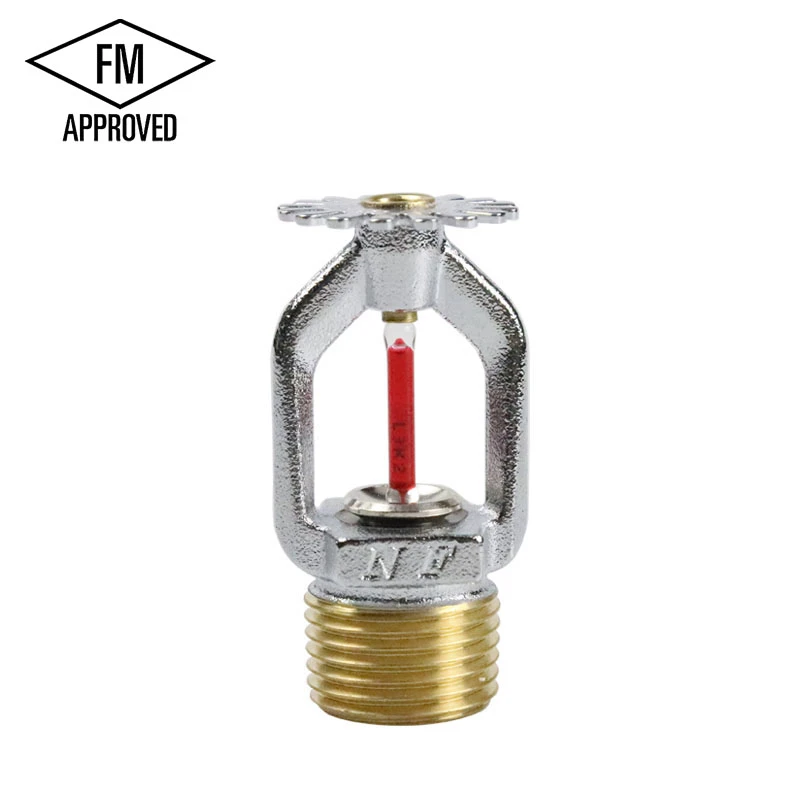
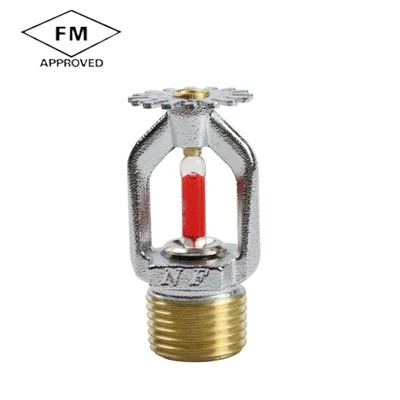
![FM Approved Quick Response Pendent Fire Sprinkler]() FM Approved Quick Response Pendent Fire SprinklerThis quick response pendent sprinkler is manufactured according to FM approval requirements and intended for use in...read more
FM Approved Quick Response Pendent Fire SprinklerThis quick response pendent sprinkler is manufactured according to FM approval requirements and intended for use in...read more -
![Electrical Remote Control Water Foam Monitor XFS Series]() Electrical Remote Control Water Foam Monitor XFS SeriesThe XFS Series Electrical Remote Control Water Foam Monitor is mainly applied in oil terminals, petrochemical...read more
Electrical Remote Control Water Foam Monitor XFS SeriesThe XFS Series Electrical Remote Control Water Foam Monitor is mainly applied in oil terminals, petrochemical...read more -
![Explosion-Proof Electric Remote Control Fire Monitor]() Explosion-Proof Electric Remote Control Fire MonitorExplosion-proof electric remote control fire monitor designed for oil terminals, petrochemical facilities, chemical...read more
Explosion-Proof Electric Remote Control Fire MonitorExplosion-proof electric remote control fire monitor designed for oil terminals, petrochemical facilities, chemical...read more -
![Manual Water Monitor with Aluminum Alloy Nozzle]() Manual Water Monitor with Aluminum Alloy NozzleThe Manual Water Monitor With Aluminum Alloy Nozzle is a manually operated fire protection device designed to...read more
Manual Water Monitor with Aluminum Alloy NozzleThe Manual Water Monitor With Aluminum Alloy Nozzle is a manually operated fire protection device designed to...read more -
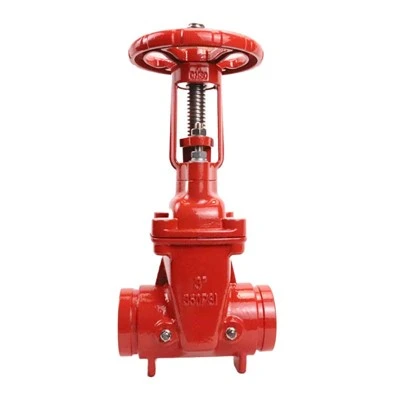
![Grooved OS&Y Gate Valve for Fire Protection Systems]() Grooved OS&Y Gate Valve for Fire Protection SystemsNONFIR Grooved OS&Y Gate Valve is a rising stem gate valve manufactured for fire protection piping systems,...read more
Grooved OS&Y Gate Valve for Fire Protection SystemsNONFIR Grooved OS&Y Gate Valve is a rising stem gate valve manufactured for fire protection piping systems,...read more -
![NONFIR FM Approved Sprinkler Head K5.6 68°C]() NONFIR FM Approved Sprinkler Head K5.6 68°CNONFIR FM Approved Sprinkler Head K5.6 68°C is a standard response fire sprinkler designed for commercial,...read more
NONFIR FM Approved Sprinkler Head K5.6 68°CNONFIR FM Approved Sprinkler Head K5.6 68°C is a standard response fire sprinkler designed for commercial,...read more