Introduction
Fire protection systems are among the most critical life safety investments a building owner can make. Designed to suppress fires in their earliest stages, these systems protect human lives, prevent catastrophic structural damage, and ensure business continuity. However, the presence of pipes, sprinkler heads, and fire pumps does not automatically guarantee safety. At the heart of every functional suppression network lies a network of mechanical controls designed to regulate water flow, direct pressure, and isolate zones. A fire protection valve serves as the vital sentinel of this system, dictating when water can move freely and when segments must be isolated for repairs or modifications.
Despite their paramount importance, fire protection valves are frequently subjected to neglect because they remain in a static standby position for years or even decades without active manipulation. When a valve fails to operate during an emergency due to corrosion, mechanical binding, debris accumulation, or an accidental closure, the consequences can be disastrous. Proper maintenance and regular inspection are the only ways to ensure these critical components will perform flawlessly when called upon. This comprehensive guide explores the essential practices, regulatory standards, step-by-step procedures, and advanced troubleshooting techniques required to properly maintain and inspect every fire protection valve within your commercial, industrial, or residential facility, ensuring absolute operational readiness and total peace of mind.
Understanding the Regulatory Framework and Standards
Effective maintenance begins with a clear understanding of the governing codes and standards that dictate how fire protection equipment must be handled. In the fire protection industry, regulatory compliance is not merely a legal checkbox; it is a baseline for absolute reliability under emergency conditions.
The Role of NFPA 25 and Industry Codes
The National Fire Protection Association publishes NFPA 25, which serves as the definitive global standard for the inspection, testing, and maintenance of water-based fire protection systems. This standard provides explicit, legally enforceable guidelines on how often each component must be checked, what testing procedures must be executed, and how documentation should be archived. Every facility manager, building owner, and maintenance supervisor must be thoroughly familiar with NFPA 25 requirements regarding valves, as adherence to this standard is universally required by local fire marshals, municipal authorities, and commercial insurance underwriters. Failing to comply can result in severe financial penalties, failed insurance claims, and catastrophic life safety liabilities.
Certification and Professional Expertise
While routine visual checks can and should be performed by trained on-site facility personnel who understand daily building operations, complex internal testing, overhauls, and annual certifications must be conducted by qualified, certified fire protection contractors. These specialized professionals possess the advanced tools, formal training, and diagnostic equipment necessary to identify hidden defects, such as internal stem failures, weakened internal springs, degrading rubber seals, or hidden blockages, that an untrained eye might easily miss during a standard walkthrough. Partnering with certified service providers bridges the gap between basic visual observation and profound mechanical assurance.
Routine Inspection Protocols: Frequency and Procedures
Inspection is the systematic process of visually verifying that a fire protection valve is in its proper position, accessible, free from physical damage, and fully operational. Establishing a rigorous, systematic inspection schedule is essential for catching minor issues before they escalate into systemic failures during a fire event.
Weekly and Monthly Visual Inspections
Under standard maintenance guidelines outlined in fire safety codes, accessible control valves must undergo regular, documented visual assessments:
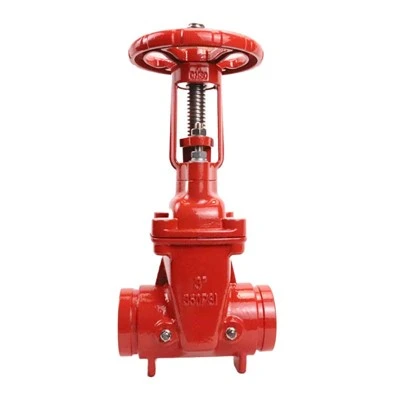
Position Verification: Every control valve must be verified to be in the fully open position. For valves equipped with mechanical position indicators, such as OS&Y (Outside Screw and Yoke) gate valves, the threaded stem must be visibly extended to confirm the gate is lifted. For butterfly valves, the physical indicator flag or target must clearly display the open status to any passing inspector.
Accessibility and Clearance Check: Valves must never be blocked by stored inventory, building materials, or locked enclosures. Fire personnel and facility staff must be able to reach them immediately during an emergency without wasting precious seconds moving obstructions.
Physical Integrity Checks: Inspectors must look for signs of external physical damage, leaking packing glands, cracked valve bodies, rusted components, or missing security seals and padlocks. Any compromise to the exterior shell must be addressed immediately.
Supervisory Switch Testing: Tamper switches that electronically monitor valve positions must be tested monthly to ensure they transmit an immediate supervisory signal to the central fire alarm control panel if a valve is turned even a fraction of a revolution. This electronic oversight acts as an immediate warning against unauthorized or accidental closures.
Quarterly and Annual Evaluations
Beyond weekly checks, more comprehensive evaluations are required at extended intervals to verify internal health and hydraulic performance:
Main Drain Tests: Conducted annually on all main system risers, a main drain test measures the static and residual water pressures on the system side of the control valve. This test verifies that the municipal or private water supply is unobstructed and that the valve is fully open, as a partially closed valve will cause a dramatic, easily recognizable drop in residual pressure during flow.
Valve Exercising: Once a year, control valves should be fully closed and reopened to ensure smooth mechanical operation and prevent the valve stem from seizing due to mineral buildup, scaling, or corrosion. Note: Valve exercising must always be coordinated with proper impairment procedures and notifications to avoid accidental disruption.
Common Failure Modes and Vulnerabilities
To properly maintain a fire protection valve, facility managers must understand the most common ways these devices fail in the field. Recognizing these vulnerabilities allows maintenance teams to apply targeted preventive measures before an emergency occurs.
The Danger of Closed Control Valves
Industry statistics and fire investigation reports consistently demonstrate that closed control valves are the single leading cause of fire sprinkler system failures globally. Whether shut accidentally during routine maintenance, left closed after tenant renovations, or subjected to unauthorized tampering by occupants, a closed valve completely neutralizes the entire suppression network. To counteract this human error, every critical control valve must be secured with a physical lock-and-chain assembly and electronically supervised by dedicated tamper switches connected to a 24-hour monitoring station.
Corrosion and Environmental Degradation
Valves installed in damp basements, unheated mechanical rooms, subterranean vaults, or corrosive industrial environments are highly susceptible to oxidation, mineral scaling, and Microbially Influenced Corrosion (MIC). Over time, rust flakes and chemical deposits can accumulate around internal valve seats, preventing a tight seal or causing mechanical binding of moving parts. Furthermore, extreme cold can cause trapped water within valve bodies to freeze, expanding with immense force to crack cast iron or ductile iron casings, rendering the valve completely shattered.
Mechanical Wear and Elastomer Aging
Internal components such as rubber seats, O-rings, clappers, hinge pins, and seat rings undergo natural mechanical wear and tear over years of continuous service. Over decades, rubber elastomers can dry out, harden, and crack, resulting in internal water leakage or a failure to seal properly against backflow. Regular internal inspections and scheduled component overhauls are necessary to replace worn-out soft goods before they compromise system integrity during high-pressure activations.
Best Practices for Preventive Maintenance and Documentation
Maintenance goes far beyond simple visual inspection; it involves proactive servicing, precision lubrication, and meticulous record-keeping to maximize the operational lifespan and reliability of every fire protection valve in your facility.
Lubrication and Mechanical Care
Exposed valve stems, operating gears, handwheels, and indicator mechanisms require periodic lubrication with approved, high-grade greases to ensure smooth motion and prevent moisture intrusion. Maintenance staff should inspect packing glands for minor weeping or leaks and gently tighten or repack them as necessary to prevent water loss without restricting the physical movement of the valve stem. Proper lubrication prevents the friction-induced binding that frequently causes valves to seize after long periods of inactivity.
Establishing a Formal Impairment Program
Whenever a valve must be closed for emergency repairs, scheduled maintenance, or system modifications, a formal, structured impairment program must be enacted immediately. This process includes:
Appointing a designated impairment coordinator to oversee the entire shutdown process from start to finish.
Tagging the closed valve clearly with a standardized, highly visible warning tag to alert anyone entering the mechanical space.
Notifying the local fire department and commercial insurance carrier before the shutdown begins to coordinate safety contingencies.
Expediting the maintenance work and restoring the system as quickly as humanly possible.
Performing a post-restoration check, including a full-flow main drain test, to verify that the valve is fully open, water pressure is restored, and the system is back online.
Comprehensive Documentation and Logbooks
Maintaining a meticulous, up-to-date digital and physical logbook of all inspection dates, test results, maintenance actions, and certified contractor reports is mandatory. Detailed records not only satisfy regulatory and insurance audits with ease but also provide a historical performance baseline that helps technicians predict when specific components may require proactive replacement before failure occurs.
Conclusion
Fire protection systems are only as reliable as the individual mechanical parts that control them. Among these, the fire protection valve stands as the ultimate guardian of water delivery, determining whether a facility remains safely shielded or left completely vulnerable during a devastating fire emergency.
By understanding governing regulatory standards like NFPA 25, enforcing rigorous weekly and annual inspection protocols, remaining vigilant against common failure modes such as closed valves and environmental corrosion, and maintaining meticulous maintenance logs, building professionals can ensure absolute operational readiness. Proper management of every fire protection valve transforms a passive architectural installation into an active, highly reliable shield, protecting human lives, preserving structural assets, ensuring business continuity, and securing the future of your organization for years to come.